
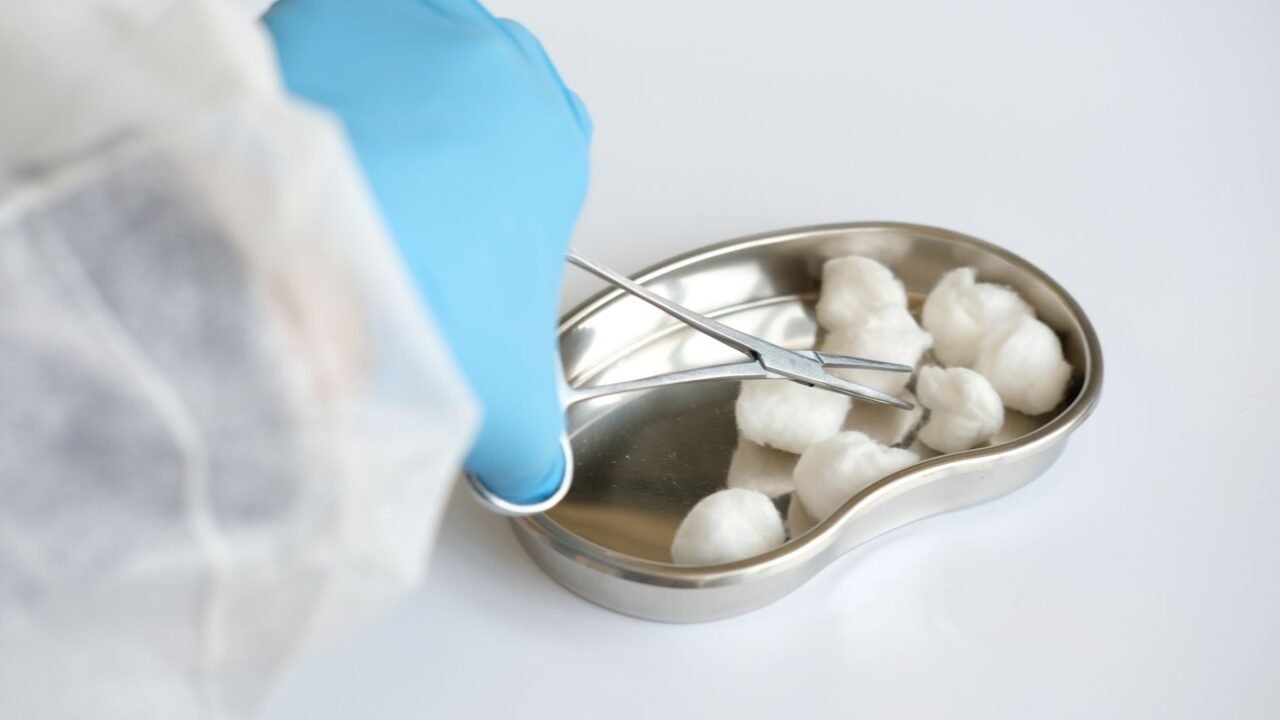
Research into extending the viability of donor organs outside the human body has achieved a significant milestone, with a team successfully supercooling pig kidneys and preserving them for days before successful reimplantation. This breakthrough addresses a critical challenge in organ transplantation: the severe shortage of viable organs, largely due to their limited survival time—often just hours—once removed from the body. The ability to significantly prolong this window could revolutionize organ donation, paving the way for future organ banks and more effective matching processes.
Key Developments
- A research team successfully supercooled pig kidneys to -4 °C (25 °F), preserving them for days, and then successfully reimplanted them into pigs.
- This method did not require cryoprotectants and proved more effective than traditional ice storage for the pig kidneys.
- The broader field of organ preservation is actively exploring various methods, including extreme cryopreservation and machine perfusion systems.
- While cryopreservation is routine for cells like eggs and sperm, successfully freezing and thawing whole human organs for transplantation remains an elusive goal due to ice crystal damage.
- Advances in machine perfusion are enabling organs like livers, kidneys, uteruses, and even eyeballs to be maintained for longer periods by mimicking in-body conditions.
What Happened
A team of researchers, including cryobiologist Greg Fahy and Matthew Powell Palm of Texas A&M, recently achieved a significant feat in organ preservation. They successfully supercooled the kidneys of pigs—animals chosen for their organ size similarity to humans—to a temperature of -4 °C (25 °F). These organs were then maintained for several days before being successfully reimplanted into the pigs, demonstrating their viability. This particular approach did not rely on cryoprotective chemicals, which are often used in other preservation methods.
This development is part of a broader, intensely active research area. The challenge of preserving organs for extended periods stems from the destructive nature of ice crystal formation during freezing, which renders tissues unusable. While rapid extreme cooling, known as cryopreservation, has been successfully applied to individual cells like eggs, sperm, and embryos—allowing storage for decades at -196 °C—it has not yet been achieved for whole human organs intended for transplantation.
Beyond supercooling, other avenues are being explored. Some teams are developing chemical cocktails to enable storage at even lower temperatures, potentially for longer durations. Concurrently, machine perfusion devices are gaining traction; these systems circulate nutrients through organs, mimicking the body’s natural environment. Such devices have become more common over the last decade, typically maintaining livers and kidneys for up to 24 hours, and are now being adapted for a wider array of organs, including uteruses and even eyeballs.
Why It Matters
The current scarcity of donor organs is a global health crisis, directly linked to the extremely short window of viability for organs outside the body. This limitation prevents thorough testing, optimal matching with recipients, and efficient transport, leading to countless missed opportunities for life-saving transplants. The ability to extend organ preservation from hours to days, weeks, or even months would fundamentally transform the entire transplantation ecosystem.
Such advancements would enable the creation of “organ banks,” allowing medical professionals to meticulously test organs for compatibility, reducing rejection rates and improving long-term outcomes for recipients. It would also facilitate the transport of organs across greater distances, connecting more donors with recipients, regardless of geographical proximity. This landmark achievement with pig kidneys represents a tangible step towards overcoming one of the most persistent barriers in modern medicine.
Industry Impact
The implications of prolonged organ preservation extend across multiple sectors within healthcare and biotechnology. For transplant centers, it promises increased efficiency, better patient outcomes, and potentially reduced costs associated with time-sensitive logistics. Pharmaceutical and biotech companies are heavily invested in developing new cryoprotectants and perfusion solutions, with the potential for new markets in organ preservation technologies.
The successful supercooling of pig kidneys without cryoprotectants offers a new paradigm, potentially simplifying preservation protocols. Meanwhile, the expansion of machine perfusion systems to organs like uteruses and eyeballs suggests a future where a wider range of complex tissues can be maintained for transplantation, opening doors to procedures previously deemed impossible or highly impractical. This progress fuels innovation in medical device manufacturing, specialized chemical development, and even AI-driven matching algorithms that could optimize organ allocation in a future with extended preservation times.
Analysis
The recent success in supercooling pig kidneys marks a significant stride in the long-standing quest to extend organ viability. The challenge of organ preservation lies primarily in preventing cellular damage during cooling and rewarming. While extreme cryopreservation has proven effective for individual cells by vitrifying them into a glass-like state, the sheer complexity and size of whole organs make this process incredibly difficult to scale without inducing destructive ice crystal formation. The fact that the pig kidneys were successfully preserved for days at -4 °C without cryoprotectants, and subsequently functioned after reimplantation, highlights a promising alternative pathway that avoids some of the chemical toxicity concerns associated with cryoprotectants.
This advancement, alongside the continuous evolution of machine perfusion technologies, paints a picture of a multi-faceted approach to organ preservation. Machine perfusion, which actively supports organs with oxygen and nutrients, essentially keeps them “alive” outside the body, albeit for shorter durations. The ability to maintain organs like uteruses for a day through such systems demonstrates the increasing sophistication of these devices. The convergence of these different strategies—supercooling, novel cryoprotectants, and advanced perfusion—suggests that a comprehensive solution to long-term organ storage may involve a combination of these techniques, tailored to specific organ types and transplantation needs.
Future Implications
Near-term (3-6 months): Further research will likely focus on replicating the pig kidney supercooling success with other organ types and refining the technique for potential human application, albeit in a highly controlled experimental setting.
Medium-term (1-2 years): We can anticipate the development of more sophisticated machine perfusion systems capable of extending viability for a wider range of organs beyond 24 hours, potentially leading to initial clinical trials for certain organ types.
Long-term (3-5 years): Breakthroughs in cryoprotective chemical cocktails or advanced supercooling methods could enable organ preservation for weeks or months, paving the way for the establishment of regional or national organ banks, significantly reducing transplant waiting lists and improving patient outcomes globally.
Frequently Asked Questions
Why is it so difficult to preserve organs outside the body?
Organs typically survive only hours outside the body, even on ice. The primary difficulty in long-term preservation, especially freezing, is the formation of ice crystals, which cause irreparable damage to cells and tissues, rendering the organ unusable for transplantation.
What is supercooling, and how does it help?
Supercooling involves cooling a substance below its freezing point without it turning into a solid. In organ preservation, this technique allows organs to be stored at sub-zero temperatures without the damaging formation of ice crystals, significantly extending their viability compared to traditional ice storage.
How does machine perfusion differ from supercooling?
Machine perfusion involves connecting an organ to a device that continuously circulates nutrient-rich solutions, mimicking the body’s blood flow and keeping the organ metabolically active. Supercooling, conversely, focuses on lowering the organ’s temperature below freezing without ice formation to slow down metabolic processes and extend static preservation time.
Has cryopreservation been successful for human organs?
While cryopreservation (rapid extreme cooling to -196 °C) is routine for individual cells like eggs, sperm, and embryos, no one has yet managed to successfully cryopreserve and thaw whole human organs for transplantation without significant damage.
What are the potential benefits of longer organ preservation?
Extended organ preservation would allow for more thorough testing of organs, better matching with recipients, and easier transportation across greater distances. This would ultimately reduce the critical shortage of donor organs and improve the success rates and accessibility of transplant surgeries.
Key Takeaways
- Supercooling pig kidneys to -4 °C for days, followed by successful reimplantation, represents a landmark achievement in organ preservation.
- This new supercooling method did not require cryoprotectants, offering a potentially less chemically intensive approach to extending organ viability.
- The field of organ preservation is actively exploring diverse strategies, including advanced cryopreservation techniques and increasingly sophisticated machine perfusion systems.
- Current methods for cryopreserving individual cells have not yet translated to whole human organs due to the challenge of preventing ice crystal damage.
- Longer organ preservation times are crucial for addressing the severe shortage of donor organs, enabling better matching, testing, and transportation capabilities.