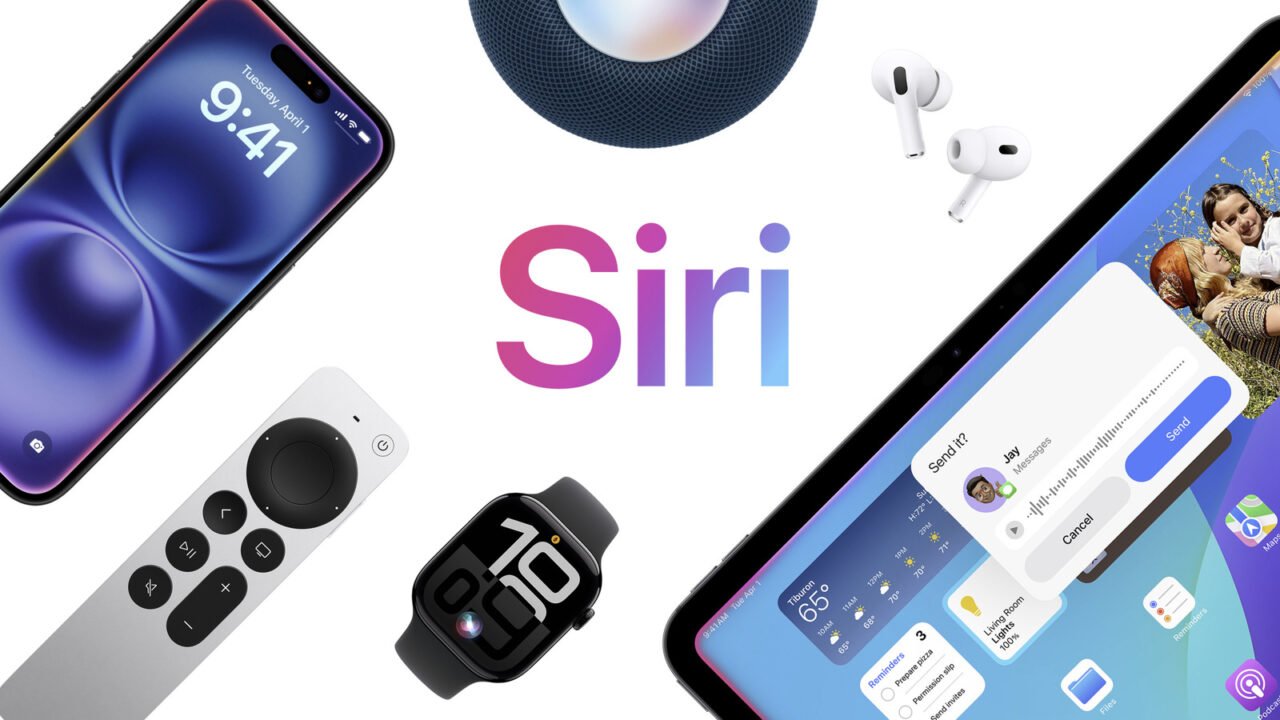
Apple has agreed to pay $250 million to settle a class-action lawsuit alleging it misled US iPhone buyers by advertising a “personalized,” AI-powered Siri that it promised for 2024 but has not yet shipped. The feature was first shown at WWDC 2024 as part of Apple Intelligence. According to The Financial Times, the settlement still awaits a judge’s approval and would cover US buyers of the iPhone 16 lineup and the iPhone 15 Pro. Notably, Apple’s proposal does not require the company to admit fault.
Key Developments
- Apple agreed to a $250 million settlement to resolve a class-action lawsuit over its delayed AI-powered Siri update, as reported by The Financial Times.
- The suit claimed Apple misled US iPhone buyers by announcing a “personalized” Siri at WWDC 2024 that was expected in 2024 but never shipped.
- The proposed settlement covers US purchasers of the iPhone 16 lineup and the iPhone 15 Pro; if approved, it does not require Apple to admit fault.
- Apple did not publicly acknowledge the Siri delay until March 2025 — more than five months after the iPhone 16 launched as an Apple Intelligence device — and subsequently pulled the ads showing the feature.
- Apple now plans to ship the new Siri this year, largely via a partnership with Google that lets it use Gemini models; the assistant is reportedly slated for iOS 27.
What Happened
At WWDC in June 2024, Apple unveiled a more “personalized” Siri, deeply integrated with Apple Intelligence, that could understand the context of what is on a user’s device and take actions inside apps on their behalf. The capability was positioned as a major reason to buy the then-upcoming iPhone 16 lineup and the iPhone 15 Pro, and was widely understood to be arriving in 2024.
Apple did roll out other Apple Intelligence components across 2024 and 2025 — text editing, image generation, and ChatGPT integration — but the context-aware, action-taking version of Siri never arrived. The company did not publicly acknowledge it would have to delay that Siri update until March 2025, more than five months after the iPhone 16 launched as a phone Apple sold on its Apple Intelligence capabilities. After announcing the delay, Apple pulled the ads it had run before the iPhone launch that showcased the new Siri.
The gap between what was advertised and what shipped led to a class-action lawsuit in the United States. Apple has now reached a tentative agreement to settle it for $250 million, according to The Financial Times. The settlement would compensate US buyers of the iPhone 16 lineup and the iPhone 15 Pro in the affected class. Apple has not admitted fault, and the agreement is pending approval by a judge before funds are distributed.
Why It Matters
The settlement underscores the legal and reputational risk of marketing AI features ahead of delivery. For a company whose brand rests on shipping polished, working technology, a $250 million payout tied to an advertised-but-undelivered feature is a notable dent — and it arrived only after Apple had already pulled the related ads and publicly conceded the delay. The episode illustrates how existing consumer-protection law applies to AI marketing claims even where AI-specific regulation does not yet exist.
For consumers, the outcome shows there is recourse when an advertised capability central to a purchase decision fails to materialize on schedule. The class covered buyers who purchased recent iPhones specifically expecting the new Siri, and the class-action mechanism proved effective in extracting a settlement from one of the largest technology companies in the world.
The story is not simply one of non-delivery, however. Apple now intends to ship the delayed Siri this year, leaning on a partnership with Google to use its Gemini models — a significant strategic detail, given that it means Apple is turning to an outside model provider for a flagship AI feature it originally framed as its own.
Industry Impact
The settlement is a reminder that AI announcements eventually have to meet shipping reality. Companies promoting advanced AI functionality, particularly features tied to flagship hardware sales, may face greater pressure from consumers and regulators to provide concrete timelines and demonstrable progress before marketing future capabilities. Existing consumer-protection laws clearly reach AI product claims, and this outcome could prompt closer scrutiny of how such features are advertised.
Apple’s reliance on Google’s Gemini models to finally deliver the new Siri is itself an industry signal. It suggests that even a company with Apple’s resources found it expedient to partner for frontier model capability rather than ship entirely in-house on its original timeline — a data point for how the largest platform owners are sourcing the AI behind consumer-facing assistants.
Analysis
The financial penalty is significant, but for Apple the more meaningful cost is to a brand built on delivering a seamless, working experience. When a headline feature as central as an “intelligent” assistant slips — and the company quietly pulls its own ads and waits until March 2025 to acknowledge the delay — it chips at that foundation. The settlement formalizes the gap between the WWDC 2024 pitch and what buyers actually received.
The resolution Apple is now pursuing is telling. Rather than continue to build the context-aware Siri entirely on its own models, Apple plans to ship it this year through a Google partnership using Gemini, reportedly in iOS 27. That choice closes the delivery gap the lawsuit was about, but it also reframes Apple’s AI assistant story around an external model provider — a meaningful shift for a company that introduced the feature as a proprietary Apple Intelligence capability.
Future Implications
- Near-term (3–6 months): Attention will center on whether Apple delivers the Gemini-powered Siri this year as planned, reportedly within iOS 27, after the earlier slip. The settlement may also prompt other companies to revisit how they advertise unshipped AI features.
- Medium-term (1–2 years): The industry may move toward clearer AI development timelines and staged feature rollouts, with companies more cautious about announcing capabilities far ahead of delivery. Regulators could begin examining AI marketing claims more closely under existing consumer-protection frameworks.
- Long-term (3–5 years): The case could influence how AI capabilities are tested and marketed before public announcement, with more emphasis on demonstrable delivery over ambitious projection — and on disclosing when flagship features rely on third-party models.
Actionable Insights
- Treat unreleased AI features skeptically; weight solutions by what has actually shipped, not what has been announced.
- When evaluating AI products or integrations, ask vendors for concrete delivery timelines and whether capabilities depend on third-party models.
- Track evolving consumer-protection enforcement around AI marketing claims, which this settlement shows is already applicable.
- If building AI products, prioritize demonstrable, deployed features over pre-announcing future-state capabilities to protect user trust.
Why is Apple paying $250 million over Siri?
Apple agreed to a $250 million settlement of a class-action lawsuit alleging it misled US iPhone buyers by advertising a “personalized,” AI-powered Siri at WWDC 2024 that was promised for 2024 but has not shipped. The figure was reported by The Financial Times.
Which iPhone models are covered by the settlement?
The proposed settlement covers US buyers of the iPhone 16 lineup and the iPhone 15 Pro — models marketed as capable of running Apple Intelligence, including the advertised Siri features.
Has Apple admitted fault?
No. Apple’s proposed settlement does not require it to admit fault for advertising AI features it had not shipped. It provides financial relief to affected buyers and awaits a judge’s approval.
When will the new Siri actually arrive?
Apple now plans to ship the delayed Siri this year, largely through a partnership with Google that lets it use Gemini models. The assistant is reportedly slated to arrive with iOS 27, alongside other AI features.
When did Apple acknowledge the delay?
Apple did not publicly acknowledge it would delay the new Siri until March 2025 — more than five months after the iPhone 16 launched. It then pulled the ads that had promoted the feature.
Key Takeaways
- Apple will pay $250 million to settle a class-action lawsuit over its delayed AI-powered Siri, per The Financial Times; the deal awaits a judge’s approval and includes no admission of fault.
- The class covers US buyers of the iPhone 16 lineup and the iPhone 15 Pro who expected the “personalized” Siri announced at WWDC 2024.
- Apple shipped other Apple Intelligence features in 2024–2025 but not the context-aware Siri; it acknowledged the delay only in March 2025 and pulled the related ads.
- Apple now plans to deliver the new Siri this year using Google’s Gemini models, reportedly in iOS 27.
- The settlement highlights the legal and reputational risk of marketing AI capabilities ahead of delivery.