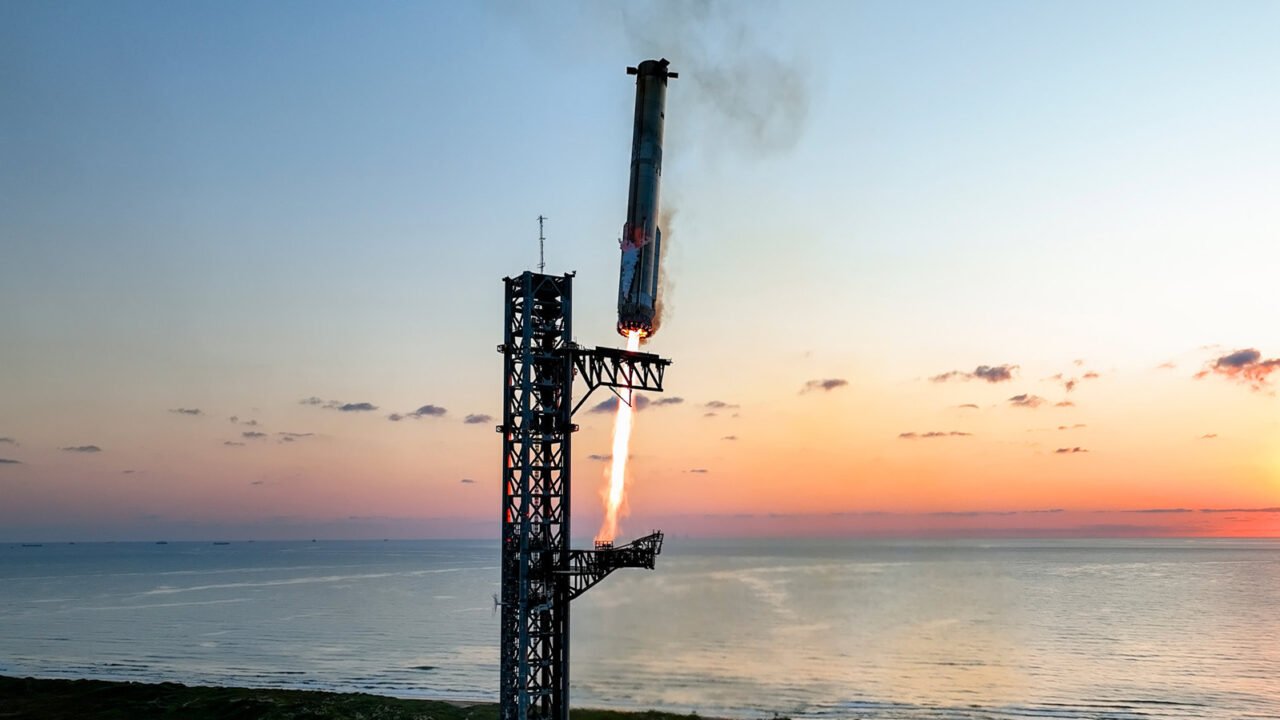
SpaceX, the aerospace manufacturer and space transport services company, will not receive early entry into the S&P 500 index, a decision that has significant implications for institutional investors and individual pension holders. This announcement from the S&P 500 contrasts with recent rule adjustments by other major indexes, including the Nasdaq 100, which had relaxed their criteria to potentially accommodate the company’s anticipated public listing. The S&P 500’s stance means SpaceX must adhere to the standard 12-month waiting period before it can even be considered for inclusion, directly affecting how widely its stock might be held in diversified portfolios. This development is crucial for readers to understand how the world’s largest equity index maintains its composition standards and what it means for the accessibility of high-profile, newly public companies in investment funds.
Key Developments
- The S&P 500 index has confirmed it will not relax its eligibility rules for “MegaCap” companies, specifically impacting SpaceX’s potential early inclusion.
- SpaceX, which is preparing for a public offering with a substantial valuation, will need to wait a minimum of 12 months before being considered for addition to the S&P 500.
- This decision differentiates the S&P 500 from other indexes, such as the Nasdaq 100, which recently modified their rules to allow early entry for companies like SpaceX.
- The S&P 500’s adherence to its existing rules means that exchange-traded funds (ETFs) tracking this index will not be compelled to purchase SpaceX stock immediately upon its public debut.
- The implication for pension funds and other large investment vehicles is that direct exposure to SpaceX through S&P 500-based investments will be delayed.
What Happened
The S&P 500, widely regarded as the most influential equity index globally, recently declared its intention to uphold its established criteria for index inclusion, specifically rejecting any provisions for early access by so-called “MegaCap” companies. This decision directly impacts SpaceX, the high-profile aerospace venture led by Elon Musk, which is reportedly nearing its initial public offering (IPO) with an impressive valuation. While other significant indexes, including the Nasdaq 100, had previously adjusted their rules to potentially allow fast-tracked entry for companies meeting certain thresholds, the S&P 500 has opted for a different path, emphasizing consistency in its methodology.
Consequently, SpaceX will be subject to the S&P 500’s standard review process, which mandates a minimum waiting period of 12 months after a company’s public listing before it can be evaluated for index addition. This means that even after its anticipated market debut, SpaceX’s stock will not automatically become a component of the S&P 500 for at least a year. The S&P 500’s commitment to its current rules contrasts sharply with the more flexible approaches seen elsewhere, setting a distinct precedent for how the largest index integrates new market entrants.
Why It Matters
The S&P 500’s refusal to grant early entry to SpaceX carries substantial weight for the financial markets, investment strategies, and individual investors alike. The S&P 500 is not merely an index; it serves as a foundational benchmark for countless investment products, including passive exchange-traded funds (ETFs) and mutual funds that collectively manage trillions of dollars. When a company is added to the S&P 500, these funds are typically obligated to purchase its stock to accurately track the index, creating significant demand and often influencing share price.
For pension plans and other institutional investors, this decision means their portfolios, particularly those passively tracking the S&P 500, will not be automatically exposed to SpaceX stock upon its public listing. This provides a buffer, allowing investors and fund managers more time to assess SpaceX’s market performance and fundamental value before any mandatory inclusion. The S&P 500’s adherence to its rigorous standards underscores its role in maintaining stability and predictable portfolio construction for a vast array of investors, from large pension funds to individual retirement accounts.
Industry Impact
The S&P 500’s decision sends a clear signal across the financial industry regarding the index’s commitment to its established inclusion criteria, irrespective of a company’s market capitalization or public profile. This stance differentiates the S&P 500 from other indexes, like the Nasdaq 100, which have shown greater flexibility. For companies eyeing an IPO, especially those with high valuations, this means that inclusion in the most widely tracked index is not a given and requires sustained market performance and adherence to standard protocols.
The impact extends to the broader investment community, particularly those managing passive funds. Fund managers overseeing S&P 500-indexed products will not face immediate pressure to acquire SpaceX shares, allowing for a more gradual market integration of the company’s stock. This approach could influence how other index providers evaluate their own rules, potentially leading to a broader discussion about the balance between market responsiveness and methodological consistency in index construction. Ultimately, it reinforces the S&P 500’s position as a benchmark that prioritizes long-term stability over short-term market trends or high-profile debuts.
Head-to-Head Comparison
| Feature | S&P 500 | Nasdaq 100 (and other indexes) |
|---|---|---|
| Pricing | Not applicable (index, not a product) | Not applicable (index, not a product) |
| Performance | Tracks 500 large-cap U.S. equities based on market cap | Tracks 100 largest non-financial companies listed on Nasdaq |
| Best For | Broad market exposure, core portfolio holdings, stability | Growth-oriented investments, technology sector exposure |
| Key Strength | Rigorous, established inclusion criteria; broad market representation; stability | Flexibility in rules for high-growth, large-cap companies; tech-heavy focus |
| Main Weakness | Slower to integrate new, high-growth companies; less tech-specific than Nasdaq | Can be more volatile due to concentration in growth sectors; rules can change |
Analysis
The S&P 500’s unwavering adherence to its established inclusion rules, despite the immense market buzz surrounding SpaceX’s impending public offering, underscores a fundamental principle in index construction: stability and predictable methodology often take precedence over immediate market expediency. This decision reflects a deliberate choice by the S&P Dow Jones Indices committee to maintain the integrity and long-term reliability of the S&P 500 as a benchmark for large-cap U.S. equities. Unlike some other indexes that have shown a willingness to adapt rules for “MegaCap” companies, the S&P 500 prioritizes a standardized, transparent process that minimizes sudden shifts in its composition.
This approach has significant implications for how investors perceive and interact with the S&P 500 versus other market indexes. The S&P 500’s reluctance to fast-track any company, regardless of its valuation or public profile, reinforces its role as a more conservative, long-term indicator of market health. It suggests a belief that waiting at least 12 months post-IPO allows for a more thorough evaluation of a company’s financial stability, trading liquidity, and sustained market presence, rather than reacting to initial public offering hype. This measured inclusion strategy ultimately aims to protect the broad investor base that relies on the S&P 500 for diversified, foundational investment exposure.
Competitive Landscape
The S&P 500’s decision creates a distinct competitive dynamic among major equity indexes. While the S&P 500 maintains its stringent requirements, indexes like the Nasdaq 100 have demonstrated a more agile approach, adjusting their rules to potentially accommodate rapidly growing, high-valuation companies such as SpaceX. This divergence highlights different philosophies in index management: one prioritizing long-term stability and consistent methodology, and the other seeking to capture the immediate impact and growth potential of emerging market leaders.
For companies contemplating an IPO, the S&P 500’s stance means that inclusion in the most prestigious index will not be an immediate outcome, regardless of their market debut valuation. This could influence listing strategies, as companies might weigh the benefits of immediate index inclusion in other, more flexible indexes against the long-term prestige and broad investor base associated with eventual S&P 500 entry. The competitive landscape among indexes is thus shaped by their respective rule sets, offering different pathways and timelines for companies seeking broad market exposure.
Future Implications
Near-term (3–6 months): SpaceX’s stock, upon its public debut, will trade without the immediate, forced buying pressure from S&P 500-tracking funds. This could lead to a more organic price discovery process in its initial trading period, as institutional investors will have discretion rather than obligation.
Medium-term (1–2 years): The S&P 500’s decision reinforces its commitment to a 12-month post-IPO waiting period for all companies. This could encourage other large-cap, privately held companies considering an IPO to plan for a longer integration timeline into major indexes, influencing their investor relations and market entry strategies.
Long-term (3–5 years): This stance could solidify the S&P 500’s reputation for methodical, conservative index management, distinguishing it from indexes that might prioritize speed of inclusion for high-growth entities. It might also lead to ongoing debates within the index industry about balancing tradition with responsiveness to rapid market shifts.
Actionable Insights
- Investors in S&P 500 index funds should understand that their portfolios will not automatically gain exposure to SpaceX stock for at least a year after its IPO.
- Individuals with pension plans tied to S&P 500 performance should review their holdings to understand the delayed inclusion of high-profile new market entrants.
- Those interested in investing in SpaceX immediately post-IPO will need to consider direct stock purchases or investments in funds tracking indexes with more flexible inclusion rules.
- Market analysts and financial advisors should account for the S&P 500’s consistent methodology when forecasting demand and pricing for upcoming large-cap IPOs.
- Companies planning an IPO should factor in the S&P 500’s 12-month waiting period when setting expectations for broad index fund inclusion and associated market demand.
Why won’t SpaceX get early access to the S&P 500?
The S&P 500 has stated it will not relax its existing rules for “MegaCap” companies, requiring all new public companies to wait at least 12 months after their IPO before being considered for inclusion in the index.
How long will SpaceX have to wait to join the S&P 500?
SpaceX will have to wait a minimum of 12 months after its initial public offering (IPO) before it can be evaluated for addition to the S&P 500 index, adhering to the standard eligibility criteria.
What is the difference between S&P 500 and Nasdaq 100 rules for new companies?
The S&P 500 maintains a strict 12-month post-IPO waiting period, while the Nasdaq 100 and other indexes have recently relaxed their rules to potentially allow earlier entry for high-valuation companies.
Will my pension plan buy SpaceX stock immediately?
If your pension plan invests in exchange-traded funds (ETFs) that track the S&P 500, it will not be forced to buy SpaceX stock immediately due to the index’s delayed inclusion policy.
What does this mean for SpaceX’s IPO valuation?
While SpaceX is expected to have a significant valuation, the S&P 500’s decision means that the immediate, mandatory buying pressure from S&P 500-tracking funds will not be present at its IPO, potentially influencing initial market dynamics.
Key Takeaways
- The S&P 500 will not grant SpaceX early entry, enforcing a standard 12-month waiting period post-IPO.
- This decision contrasts with other indexes like the Nasdaq 100, which have relaxed their inclusion rules.
- Pension funds and S&P 500-tracking ETFs will not be compelled to buy SpaceX stock immediately after its public offering.
- The S&P 500’s stance reinforces its commitment to consistent, long-term index methodology over rapid market responsiveness.
- Investors interested in SpaceX will need to seek direct investment or alternative index funds for immediate exposure.