
Project Open Hand, a San Francisco nonprofit established in 1985, is now deploying AI-powered robots to assemble meal kits for its beneficiaries. These automated systems are stepping in to support a critical mission: providing specialized nutrition for individuals facing severe health challenges, including those with HIV/AIDS, heart disease, diabetes, and chronic kidney conditions. The organization has historically grappled with volunteer recruitment, a persistent challenge exacerbated by its location in the Tenderloin district. This robotic integration signals a pragmatic approach to operational hurdles, offering a glimpse into how AI can augment social welfare initiatives right now.
Automated Assistance for a Critical Mission
Project Open Hand’s long-standing commitment to nutritional support began during the height of the AIDS epidemic, founded by Ruth Brinker. Over the decades, its scope expanded significantly to cater to a broader spectrum of medical dietary needs, requiring meticulous meal preparation and packaging. The sheer volume and specificity of these meals demand considerable human effort, an area where volunteer shortages have historically created bottlenecks.
The nonprofit’s facility, a four-story building in San Francisco, is a hub for these operations. Traditional volunteer models, while invaluable, often struggle with consistency and scale, particularly for repetitive tasks. Introducing robotic systems addresses this directly by providing a reliable, consistent workforce for meal assembly.
The Role of AI in Nonprofit Operations
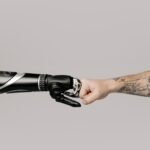
These AI-driven robots are not replacing human staff or current volunteers but rather supplementing their efforts in areas where human hands are scarce. Their primary function involves tasks like sorting, portioning, and packaging components for meals, such as potato salad. This allows human volunteers and staff to focus on more complex or empathetic tasks, such as direct interaction with clients or specialized meal preparation.
The strategic deployment of automation in a nonprofit setting highlights a growing trend: using advanced technology to amplify impact. For organizations like Project Open Hand, where resources are often stretched thin, optimizing labor through AI can mean reaching more people with essential services. It’s a practical application of AI that directly translates to tangible social good.
Addressing the Volunteer Recruitment Challenge
One of the most significant operational hurdles for Project Open Hand has been the consistent recruitment and retention of volunteers. The nature of the work, while incredibly rewarding, can be repetitive, and the urban environment of the Tenderloin district presents its own set of challenges for attracting a steady stream of helpers. Robots offer a consistent solution to this variability.
By automating the more mundane and labor-intensive aspects of meal kit assembly, the nonprofit can potentially reduce the pressure on its human volunteer base. This shift might also make volunteer opportunities more appealing, allowing human volunteers to engage in tasks that require more human judgment, creativity, or direct community interaction.
Beyond the Kitchen: Implications for Social Services
The integration of AI robots at Project Open Hand offers a compelling case study for other social service organizations. Many nonprofits face similar operational challenges, from labor shortages to the need for scalable solutions. This initiative demonstrates that AI is not solely the domain of large corporations but can be a powerful tool for organizations dedicated to public welfare.
This model suggests a future where AI and automation are integral to the backbone of humanitarian efforts. It’s about efficiency and expanding reach, enabling nonprofits to serve a greater number of individuals with specialized needs. The focus remains on the human element, but technology acts as an enabler, not a replacement.
The Future of Automated Altruism
While the current deployment focuses on specific tasks like meal assembly, the potential for AI in nonprofit operations extends much further. Imagine AI assisting with inventory management, optimizing delivery routes, or even personalizing nutritional plans based on evolving medical data. The initial success at Project Open Hand could pave the way for broader adoption.
This move positions Project Open Hand as an early adopter in leveraging AI for social good, setting a precedent for how technology can be a force multiplier in the nonprofit sector. It reframes the conversation around automation from job displacement to job augmentation, especially in contexts where human labor is scarce and the need is immense.
What is Project Open Hand?
Project Open Hand is a San Francisco-based nonprofit organization founded in 1985 by Ruth Brinker. It prepares and delivers nutritious meals to individuals suffering from critical illnesses such as HIV/AIDS, cancer, heart disease, and diabetes.
Why are robots being used at Project Open Hand?
Robots are being deployed to assist with meal preparation and packaging due to persistent challenges in recruiting and retaining human volunteers. They help ensure consistent production and alleviate labor shortages for repetitive tasks.
Are the robots replacing human volunteers or staff?
No, the robots are not replacing human volunteers or staff. They are intended to supplement human efforts, taking on labor-intensive and repetitive tasks so that human workers can focus on more complex duties or direct client interaction.
Key Takeaways
- Project Open Hand, a San Francisco nonprofit, is integrating AI robots to assist in meal preparation and packaging for critically ill individuals.
- The deployment addresses long-standing volunteer recruitment challenges, enhancing the organization’s capacity to serve its beneficiaries.
- These robots are augmenting, not replacing, human labor, allowing staff and volunteers to focus on higher-value tasks and direct client support.
- This initiative highlights a growing trend of leveraging AI and automation as practical tools for efficiency and impact within the nonprofit sector.