
Netflix, Spotify, and YouTube are at the forefront of a significant industry shift, moving beyond their original content formats to become comprehensive entertainment hubs. This strategic convergence, increasingly powered by artificial intelligence, signals a new battleground where platforms compete for total user engagement rather than dominance in a single media type. As the entertainment app market matures and growth in new sign-ups slows, companies are prioritizing time spent within their applications and revenue per user, driving an imperative to offer a wider array of content. This evolution is critical for consumers, as it promises a more integrated entertainment experience but also raises concerns about platform lock-in and data concentration.
Key Developments
- Major entertainment platforms are expanding beyond their core formats, integrating diverse content types like video, music, podcasts, games, and shopping.
- This convergence is driven by market maturity, creators working across multiple formats, and AI’s ability to manage and personalize a wider content mix.
- Netflix has diversified into gaming, live sports, short video, and podcasts to capture more user time beyond traditional movies and TV.
- Spotify has expanded from music to include video podcasts, audiobooks, fitness classes, and social features, blurring the lines of its original premise.
- YouTube, originally for long-form creator content, now offers short-form video, podcasts, gaming, music, movies, TV, sports, news, and shopping.
- AI is central to this strategy, enhancing cross-format recommendations, personalization, content creation, and advertising efficiency across these platforms.
What Happened
For years, digital entertainment platforms carved out niches, each vying for supremacy in a specific content format such as streaming music, video, or podcasts. However, a notable shift is underway as these services increasingly resemble one another, driven by a desire to become the default application for any leisure activity. This trend is not accidental; it reflects a maturing market where companies like Netflix, Spotify, and YouTube are now focused on maximizing user engagement and revenue per user rather than solely chasing new subscriptions.
This strategic pivot is also influenced by the evolving nature of content creation, where many artists and creators now produce material across various formats. To accommodate this, platforms are building integrated ecosystems that can house a creator’s entire portfolio. Artificial intelligence plays a crucial role in enabling this expansion, allowing a single company to effectively manage and deliver multiple content types while enhancing personalization. For instance, Netflix has broadened its offerings to include gaming, live sports, and short video clips, aiming to capture moments when users might not be seeking a full-length movie or TV show. Spotify, initially a music streaming service, has similarly expanded into video podcasts, audiobooks, and even fitness classes, alongside social features like Q&As and messaging. YouTube, traditionally a home for creator videos, has embraced short-form content to compete with platforms like TikTok, while also dedicating sections to podcasts, gaming, music, and ad-supported movies and TV.
Why It Matters
The convergence of entertainment apps signifies a fundamental redefinition of digital leisure, moving towards a single “super-app” model for consuming content. This shift is critical because it changes the competitive landscape from format-specific battles to a broader contest for user attention and time. For users, this means greater convenience through consolidated access to diverse entertainment options, potentially reducing the need to switch between multiple applications.
However, this consolidation also carries implications for data privacy and market dominance. As users spend more time within a single app, these platforms accumulate richer, more comprehensive data on individual habits and preferences across various content types. This data fuels AI-driven personalization, creating a more tailored experience but also increasing user lock-in, making it harder to leave even if service quality fluctuates or prices rise. The underlying technology enabling this broad content management and hyper-personalization is AI, which streamlines operations, enhances recommendation engines, and even assists in content creation.
Industry Impact
The entertainment industry is experiencing a profound transformation as AI-powered universal apps reshape how content is produced, distributed, and consumed. This trend impacts not only traditional media companies but also independent creators, advertisers, and technology developers. For creators, the ability to host diverse content formats within a single platform simplifies their workflow and potentially expands their audience reach. Platforms like YouTube, with over a million channels utilizing its AI creation tools, and 20 million consumers engaging with its Gemini AI-powered discovery tool in a single month, demonstrate the scale of this integration.
The advertising sector is also significantly affected, as these converged platforms offer more granular targeting capabilities. AI algorithms can analyze user behavior across music, video, and gaming to deliver highly personalized advertisements, optimizing placement and pricing for marketers. Companies like Netflix, which acquired an AI filmmaking company for $587 million, are investing heavily in AI for content creation, signaling a future where generative AI could play a larger role in production, despite ongoing debates about artist compensation and intellectual property. The competitive dynamic is shifting from niche specialization to a race for comprehensive user engagement, pushing all players to integrate AI deeply into their core services.
Analysis
The strategic pivot towards universal entertainment applications represents a sophisticated response to market saturation and evolving consumer behavior. By consolidating diverse content formats, platforms are not merely adding features; they are fundamentally altering their value proposition. The goal is to become an indispensable part of a user’s daily routine, capturing all available leisure time, from short breaks filled with social media scrolling to longer sessions dedicated to movies or games. This approach leverages the network effect: the more content types an app offers, the more time users spend, generating more data, which in turn refines AI personalization, creating a more compelling and sticky experience.
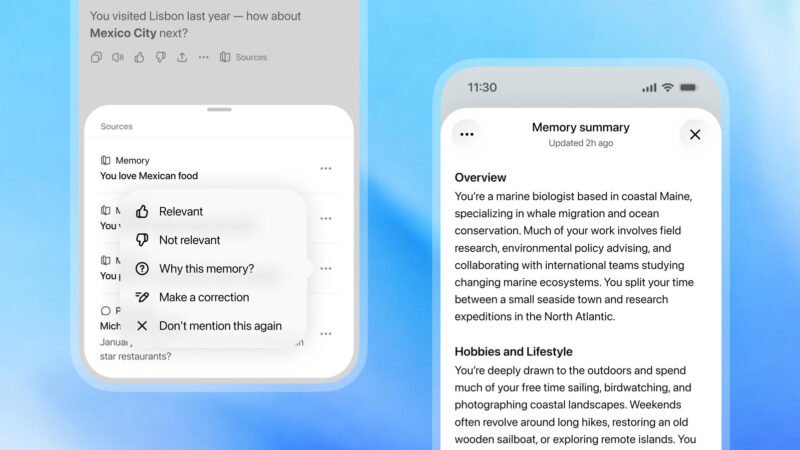
Artificial intelligence is the critical enabler of this strategy. Without advanced AI, managing and personalizing recommendations across disparate content types—music, video, podcasts, games—would be an insurmountable challenge. AI makes it feasible for a single entity to excel in multiple domains simultaneously, providing a seamless user experience that masks the underlying complexity. Features like Spotify’s editable Taste Profile and AI-driven conversational search, or Netflix’s improved personalization through new model architectures, exemplify how AI is moving beyond simple recommendations to offer users more direct control and deeper engagement. Furthermore, AI-assisted coding accelerates the development and launch of new content areas, while generative AI tools, despite controversy, are beginning to influence content creation itself, as seen with YouTube’s Dream Screen and TikTok’s AI Alive features. This deep integration of AI across content discovery, creation, and monetization is not just an enhancement; it is the architectural foundation of the future entertainment operating system.
Competitive Landscape
The battle for the universal entertainment app is intensifying, with major players like Netflix, Spotify, YouTube, and TikTok aggressively expanding their offerings to minimize user churn and maximize engagement. While each platform began with a distinct core, their current trajectories show a clear convergence towards a similar feature set. Netflix, once solely a video streaming giant, has added gaming, live events, and short-form video, directly challenging social media platforms and casual gaming apps. Spotify, a music streaming pioneer, now competes with Audible through audiobooks and with fitness apps through guided classes.
YouTube, the long-standing video hub, has broadened its scope to include dedicated podcast sections, ad-supported movies, and live sports, putting it in direct competition with traditional broadcasters and other streaming services. Even TikTok, famous for short-form video, is expanding into long-form content, travel planning, shopping, and live event ticketing, demonstrating an ambition to become a lifestyle super-app. The common thread among these competitors is their reliance on AI to differentiate themselves. With content format no longer a unique selling point, the quality of AI-driven personalization and content discovery becomes the primary competitive advantage, determining which app successfully captures and retains user attention across all forms of entertainment.
Future Implications
The trajectory towards universal entertainment apps, heavily influenced by AI, suggests several key developments in the coming years.
* **Near-term (3-6 months):** Expect accelerated integration of AI-powered conversational interfaces for content discovery, allowing users to articulate preferences more naturally. Platforms will likely roll out more user-editable AI preference profiles, giving individuals greater control over their personalized feeds.
* **Medium-term (1-2 years):** The lines between content consumption and creation will further blur, with more sophisticated generative AI tools becoming accessible directly within these apps for casual users. We may see tiered access models, similar to YouTube TV and YouTube Music potentially folding into a single YouTube bundle, offering comprehensive content packages.
* **Long-term (3-5 years):** The dominant universal entertainment apps will likely evolve into full-fledged “entertainment operating systems,” integrating not just content but also commerce, social interaction, and potentially even productivity tools. This could lead to a highly consolidated market where a few super-apps command the majority of digital leisure time, raising questions about data monopolies and content diversity.
Frequently Asked Questions
Why are entertainment apps expanding beyond their original formats?
Entertainment apps are expanding due to market maturity, slower growth in new sign-ups, and the need to compete on time spent and revenue per user. They also aim to provide a single home for creators who work across multiple content types.
How does AI contribute to the rise of universal entertainment apps?
AI makes it easier for companies to manage and run several content formats well, enhancing personalization and cross-format recommendations. It also speeds up the development of new content areas and improves advertising efficiency.
What specific examples show this trend?
Netflix has added gaming, live sports, and short video. Spotify expanded into video podcasts, audiobooks, and fitness classes. YouTube now includes short-form content, podcasts, gaming, and ad-supported movies/TV.
What are the benefits for users?
Users benefit from a more consolidated and personalized entertainment experience, reducing the need to switch between multiple apps. AI-driven recommendations can more effectively connect users with desired content across formats.
What are the potential downsides of this convergence?
The convergence could lead to increased user lock-in, making it harder to leave a platform due to accumulated data and personalized experiences. It also raises concerns about data concentration and potential market dominance by a few large entities.
Key Takeaways
- Major entertainment platforms are converging into universal apps, offering diverse content from video and music to games and shopping.
- This shift is driven by market maturity, creator needs, and AI’s ability to manage and personalize a broad content mix.
- Netflix, Spotify, YouTube, and TikTok are all actively expanding their content types and features beyond their original premises.
- AI is fundamental to this strategy, enhancing personalization, content discovery, creation tools, and advertising effectiveness across formats.
- The competitive battle is now focused on which app can capture the most user time and become the default entertainment destination, regardless of content form.