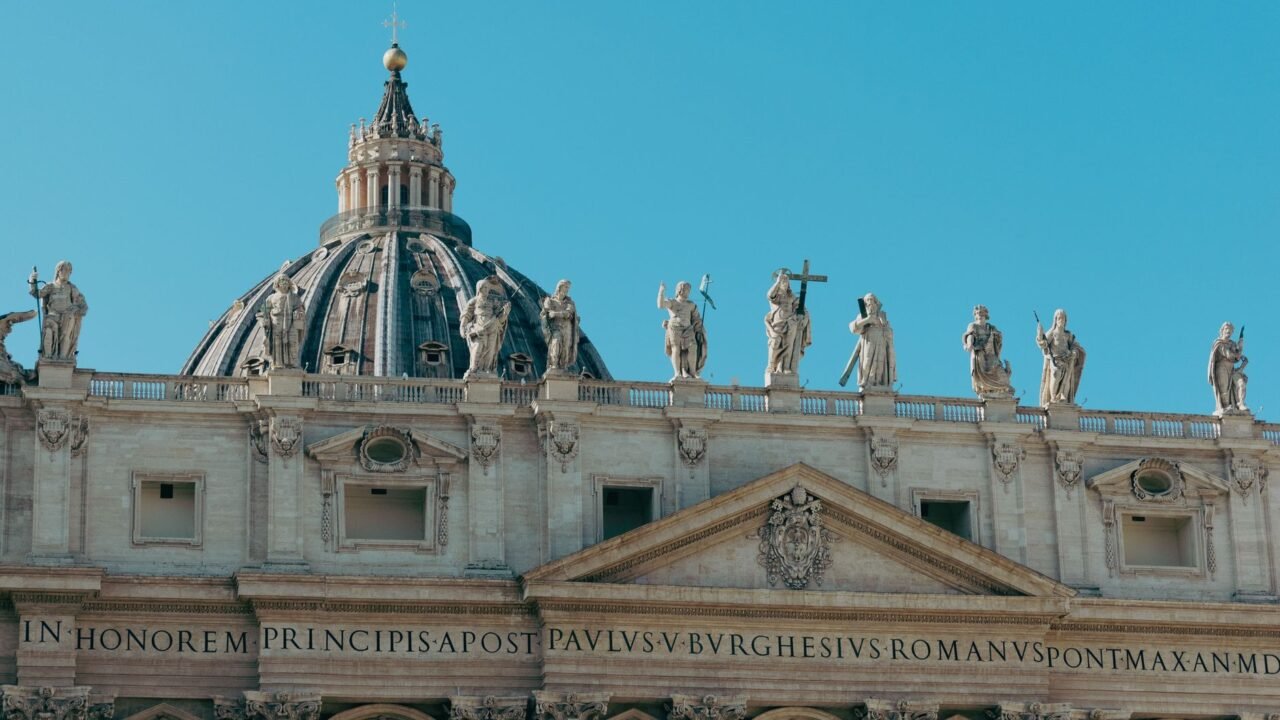
Pope Leo XIV on Monday issued his inaugural encyclical, “Magnifica Humanitas,” a comprehensive 200-page document addressing the critical intersection of artificial intelligence and human dignity. Presented alongside Anthropic co-founder Chris Olah, the encyclical scrutinizes how AI’s rapid ascent intersects with enduring societal challenges such as widening inequality and the erosion of democratic principles. Leo XIV argues forcefully that technology developed and controlled by a narrow elite fundamentally fails to serve the broader common good. This papal intervention signals a significant moment for the AI industry, compelling professionals to consider the ethical and societal implications of their work beyond purely technical advancements.
The Vatican’s Stance on AI Governance and Human Dignity
Leo XIV’s “Magnifica Humanitas” directly confronts the prevailing narrative of AI development, positing that its current trajectory risks exacerbating existing global disparities. The document emphasizes that while AI presents profound opportunities, its governance model is crucial to ensuring it uplifts, rather than diminishes, humanity. The Pontiff’s engagement with a prominent AI industry leader like Chris Olah underscores a deliberate effort to bridge theological contemplation with practical technological realities. This collaboration highlights a growing recognition that AI’s impact extends far beyond technical specifications, demanding interdisciplinary dialogue.
The encyclical’s core argument revolves around the concept of the “human person” as the central focus of technological progress. It suggests that if AI systems are designed without a deep commitment to human flourishing and equity, they risk becoming instruments that further concentrate power and marginalize vulnerable populations. This perspective challenges the industry to move beyond efficiency metrics and profit motives, urging a re-evaluation of AI’s foundational ethical principles. The Vatican’s detailed analysis provides a moral framework for developers, policymakers, and users alike.
Beyond Algorithms: Addressing Systemic Inequalities
While “Magnifica Humanitas” uses AI as its primary lens, the encyclical delves into deeper, more pervasive societal issues that predate modern artificial intelligence. Pope Leo XIV meticulously connects AI’s potential pitfalls to long-standing problems like economic inequality, global conflict, and the weakening of democratic institutions. He contends that AI, if unchecked, could amplify these historical challenges rather than mitigate them. This broader scope prevents the document from being merely a technological critique, elevating it to a profound social commentary.
The document implicitly criticizes a world where technological power often resides with a few, creating systems that are opaque and difficult for the public to scrutinize. This concentration, the Pope argues, increases risks to democratic oversight and accountability. The encyclical calls for a more inclusive approach to AI development and deployment, one that actively involves diverse stakeholders and prioritizes transparency. This vision directly opposes a future where AI progress benefits only a select few, at the expense of the many.
The Peril of Concentrated Power in AI Development
A central theme woven throughout the 200-page encyclical is the inherent danger of power concentration within the AI ecosystem. Pope Leo XIV explicitly states that when the creation and control of such influential technology are held by a small group, it becomes prone to opacity and evades public accountability. This lack of oversight significantly increases the potential for misuse or for decisions to be made that do not align with the common good. The message serves as a stark warning to the tech giants and venture capitalists shaping the future of AI.
The encyclical advocates for a distributed and democratic approach to AI governance, emphasizing that the benefits of artificial intelligence must be shared broadly across society. It challenges the notion that technological progress alone is sufficient, stressing that the ethical framework underpinning that progress is paramount. This critique extends beyond the technical aspects of AI, touching upon the economic structures and social hierarchies that influence its development and deployment. The Vatican’s document effectively reframes the conversation around AI from innovation to equitable distribution of its power.
A Call for Common Good in the Age of Artificial Intelligence
Pope Leo XIV’s foundational argument in “Magnifica Humanitas” is that technology, particularly AI, cannot truly serve the common good if it is built and governed by a limited elite. The encyclical makes a powerful case for AI development rooted in principles of justice, solidarity, and universal access. This perspective urges AI professionals to consider the broader societal impact of their creations, moving beyond purely technical considerations to embrace a more holistic view of human well-being. The Pope’s message is a direct challenge to the often-insular world of tech development.
The document suggests that true progress in AI involves fostering an environment where its benefits are accessible to all, and its risks are equitably managed. It implies that a truly magnificent humanity in the age of AI requires intentional design choices that prioritize human flourishing over mere efficiency or profit. This moral imperative encourages a re-evaluation of current business models and development philosophies within the AI industry. The encyclical provides a moral compass for navigating the complex ethical landscape of artificial intelligence.
What is the main message of Pope Leo XIV’s encyclical on AI?
The encyclical, “Magnifica Humanitas,” argues that AI must be developed and governed in a way that safeguards the human person and serves the common good, rather than concentrating power and exacerbating existing societal inequalities.
Who did Pope Leo XIV present the encyclical with?
Pope Leo XIV presented “Magnifica Humanitas” alongside Chris Olah, a co-founder of Anthropic, signaling a direct engagement between the Vatican and a leading figure in the AI industry.
What societal issues does the encyclical connect with AI?
Beyond AI itself, the encyclical links its potential negative impacts to older, pervasive problems such as inequality, war, the erosion of democracy, and the concentration of power in the hands of a few.
Key Takeaways
- Pope Leo XIV’s “Magnifica Humanitas” is a 200-page encyclical addressing AI’s ethical implications and its connection to broader societal challenges.
- The encyclical argues that AI developed by a small elite cannot serve the common good and risks increasing inequality and undermining democracy.
- The Pope presented the document with Anthropic co-founder Chris Olah, highlighting a direct dialogue between the Vatican and the AI industry.
- “Magnifica Humanitas” calls for AI governance that prioritizes human dignity, transparency, and equitable distribution of power and benefits.