
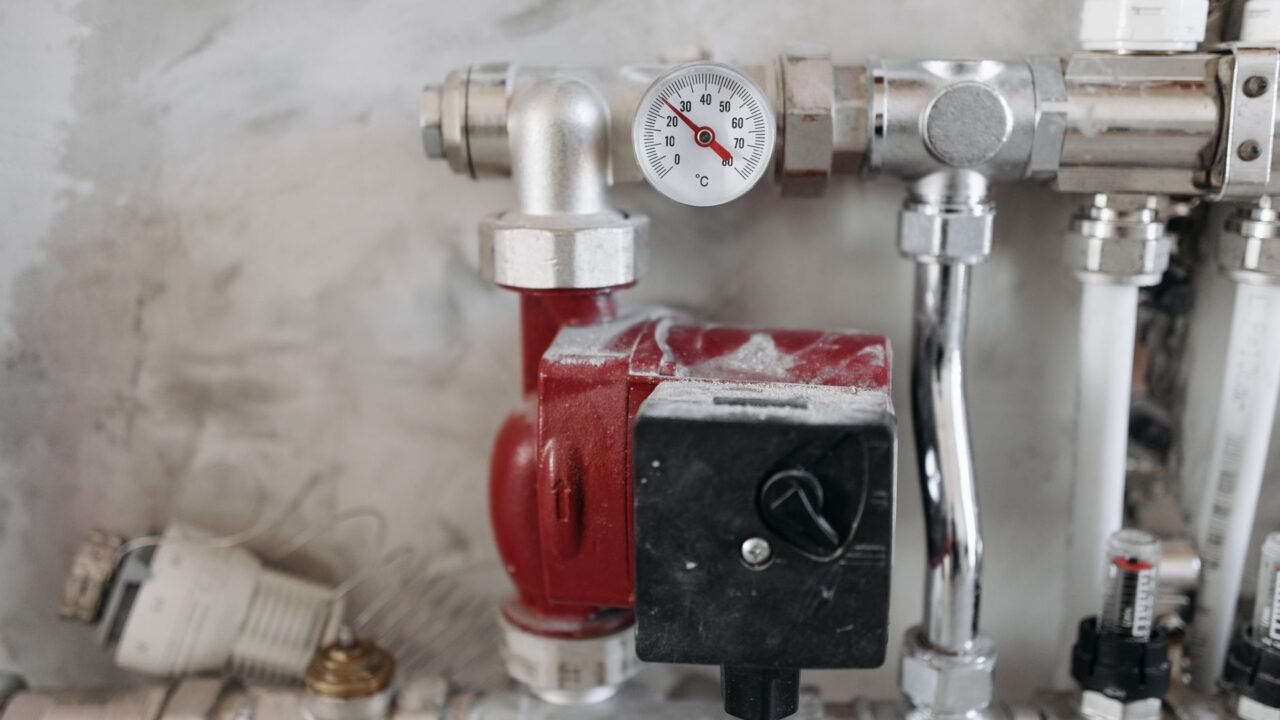
Heat pump sales in the United States have doubled over the past 15 years, demonstrating a powerful surge in adoption for this efficient electric heating and cooling technology. This sustained growth trajectory continues to defy conventional market expectations, particularly after a significant federal tax credit expired at the close of 2025. Far from experiencing a downturn, heat pump shipments have shown a gradual rise into early 2026, even outpacing natural-gas furnaces by 32% during the first quarter of the year. This resilience underscores a fundamental shift in how American homes and businesses are approaching energy consumption and decarbonization.
Key Developments
- US heat pump sales have doubled over the last 15 years, indicating robust long-term growth.
- During the first quarter of 2026, heat pumps outsold natural-gas furnaces by 32%, continuing a four-year trend.
- A federal tax credit of up to $2,000 for heat pump installations, active from 2023-2025, ended on January 1, 2026.
- Despite the expiration of this key incentive, heat pump shipments remained flat from December to January and have since seen a gradual increase, stronger than typical seasonal trends.
- Energy economist Lucas Davis suggests this market strength indicates heat pump adoption is no longer dependent on tax credits.
What Happened
The US market for heat pumps has exhibited remarkable strength, with sales doubling over the past 15 years. This momentum carried into early 2026, where heat pumps significantly outperformed natural-gas furnaces, outselling them by 32% in the first quarter. This performance is particularly noteworthy given the recent expiration of a federal tax credit, which offered up to $2,000 for installations between 2023 and 2025. Historically, the sunset of such incentives, like those for electric vehicles in late 2025, has led to sharp declines in sales.
However, heat pumps have charted a different course. Data from the Air Conditioning, Heating, and Refrigeration Institute (AHRI), which represents approximately 90% of the US market, shows that shipments remained steady from December 2025 to January 2026, followed by a gradual increase. This upward trend from winter into spring is not only consistent with seasonal patterns but is also notably stronger in 2026 than in previous years. This unexpected resilience suggests that underlying market forces are now driving adoption more powerfully than direct financial incentives.
Why It Matters
The continued ascent of heat pump sales, especially in the absence of a significant federal tax credit, signals a maturing market and a growing consumer preference for efficient, electrified heating and cooling solutions. This trend is crucial for broader decarbonization efforts, as heat pumps offer a direct path to reducing reliance on fossil fuels in buildings. Their ability to both heat and cool, coupled with their inherent efficiency, makes them a versatile and environmentally sound choice for modern infrastructure.
The market’s independence from tax credits, as highlighted by energy economist Lucas Davis, suggests that the economic case for heat pumps has become compelling enough on its own. While upfront installation costs can be higher than traditional furnaces, the long-term operational savings due to superior efficiency often make them a more cost-effective choice. This shift indicates that consumers are increasingly recognizing the intrinsic value and benefits of heat pump technology, rather than solely being swayed by temporary financial incentives.
Industry Impact
The sustained demand for heat pumps has significant implications for the HVAC industry, energy providers, and the broader construction sector. Manufacturers are likely to continue investing heavily in research and development to enhance heat pump performance, reduce costs, and expand their product lines to meet diverse consumer needs. This could lead to further innovations in cold-climate performance and smart home integration, making the technology even more appealing.
For energy utilities, the rise of heat pumps means an increased demand for electricity, particularly during peak heating and cooling seasons. This necessitates continued investment in grid modernization and renewable energy sources to ensure a stable and sustainable power supply. Furthermore, the robust adoption in the US mirrors trends observed in other major economies like China and Germany, indicating a global movement towards this decarbonization tool. This international momentum could foster greater collaboration and shared innovation in the clean energy sector.
Analysis
The narrative surrounding heat pump adoption in the US has clearly entered a new phase, moving beyond reliance on government incentives to a more organic, market-driven expansion. The comparison to the electric vehicle market, which saw a sharp decline after its tax credits expired, underscores the unique resilience of heat pumps. This divergence suggests that the value proposition for heat pumps—combining efficiency, cost savings over time, and environmental benefits—is now deeply embedded in consumer decision-making, even without direct financial nudges.
This sustained growth points to several underlying factors. Increasing awareness of climate change and the desire for more sustainable living certainly play a role, but the economic advantages are equally potent. Once installed, heat pumps are generally more economical to operate than fossil fuel-based systems, offering long-term savings that resonate with homeowners. The technology’s dual heating and cooling capabilities also simplify home climate control, adding a layer of convenience that appeals to a broad demographic. The recognition by MIT Technology Review in 2024 as a breakthrough technology further validated its potential, signaling to the market that heat pumps are not just an alternative, but a superior solution.
Future Implications
Near-term (3-6 months): The strong start to 2026 suggests continued growth in heat pump installations, likely leading to increased competition among manufacturers and installers. This could drive innovation in product features and potentially stabilize or even reduce installation costs as the market scales.
Medium-term (1-2 years): As adoption accelerates, there will be growing pressure on the electrical grid, necessitating further investments in renewable energy infrastructure and smart grid technologies to manage increased demand. Policy discussions may shift from direct purchase incentives to broader support for grid modernization and energy efficiency standards.
Long-term (3-5 years): Heat pumps are poised to become the default heating and cooling solution for new constructions and a primary replacement option for existing buildings. This widespread adoption will significantly contribute to national decarbonization goals, transforming the energy landscape of residential and commercial sectors.
Actionable Insights
- Evaluate the long-term operational savings of heat pumps against traditional systems, considering current energy prices.
- Research local utility programs or state-level incentives that may still exist for energy-efficient upgrades.
- Consult with certified HVAC professionals to assess the feasibility and optimal sizing of a heat pump system for your property.
- Consider the dual heating and cooling capabilities of heat pumps as a consolidated solution for year-round climate control.
- Stay informed about advancements in heat pump technology, particularly those designed for colder climates or enhanced smart home integration.
Why are heat pumps still popular despite tax credits ending?
Heat pumps remain popular because their inherent efficiency leads to significant long-term operational savings compared to fossil fuel systems. The market has matured to a point where the economic and environmental benefits are compelling enough to drive adoption independently of direct financial incentives.
How much have heat pump sales increased recently?
Heat pump sales have doubled over the past 15 years in the US. More recently, during the first quarter of 2026, heat pumps outsold natural-gas furnaces by 32%, continuing a trend of outperforming traditional heating systems.
What was the impact of the expired tax credit on heat pump sales?
Contrary to expectations, the expiration of a federal tax credit (up to $2,000) on January 1, 2026, did not lead to a decline in heat pump sales. Shipments remained flat from December to January and have seen a gradual rise since, indicating the market’s strength without the incentive.
What are the main benefits of heat pumps?
Heat pumps use electricity to efficiently move heat, providing both heating and cooling from a single appliance. They are significantly cheaper to run than gas or oil furnaces after installation and contribute substantially to decarbonizing buildings by avoiding fossil fuel combustion.
Key Takeaways
- US heat pump sales have doubled over the last 15 years, demonstrating sustained market growth.
- Heat pumps outsold natural-gas furnaces by 32% in Q1 2026, continuing a four-year dominance.
- The market’s strength persists despite the expiration of a federal tax credit on January 1, 2026.
- Energy economist Lucas Davis suggests the US heat pump market is robust enough without tax credits.
- Heat pumps are a crucial decarbonization tool, offering efficient electric heating and cooling.