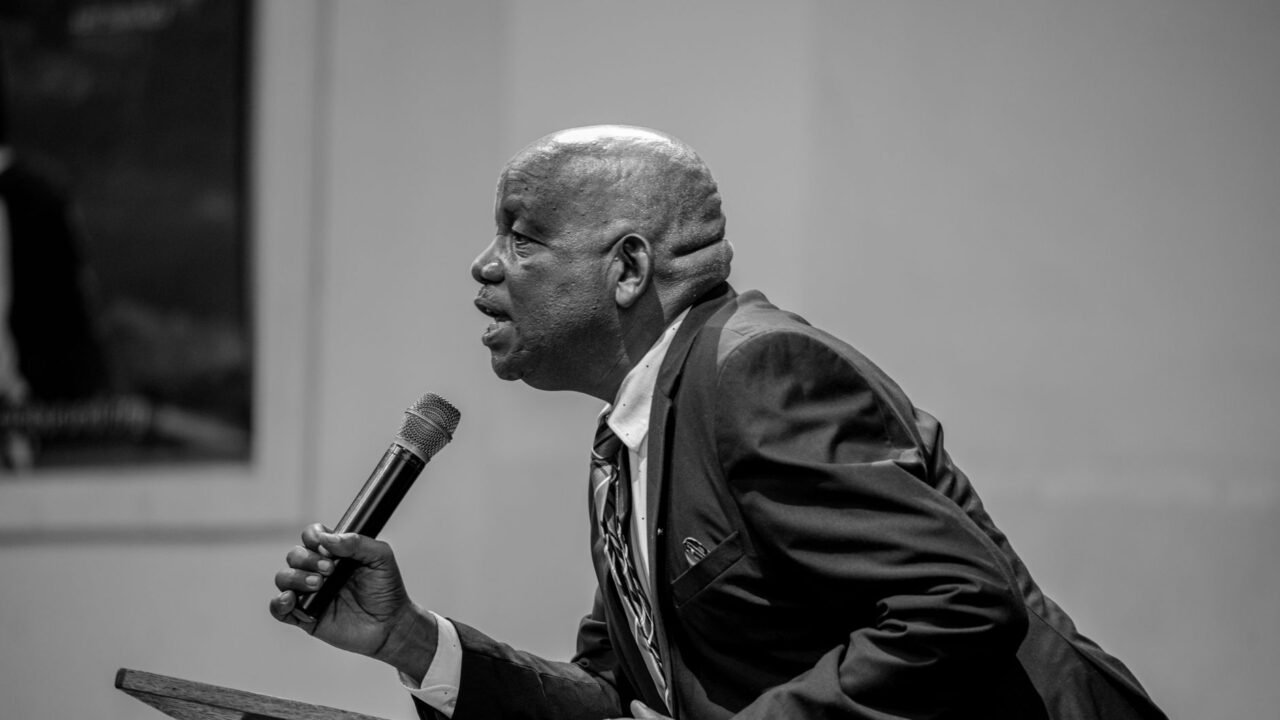
Sriram Krishnan, a former technology executive and venture capitalist, will conclude his tenure as a senior policy advisor on artificial intelligence at the White House at the end of June. Krishnan’s departure marks the exit of a prominent tech industry figure from the Trump administration, where he played a role in shaping national AI policy. In announcing his exit, he pointed to the administration’s AI Action Plan as a key accomplishment and said he next plans to build outside institutions focused on AI challenges facing the United States and its allies.
Key Developments
- Sriram Krishnan, a senior policy advisor on AI, is departing the White House at the close of June.
- Krishnan previously led product teams at major tech companies including Microsoft, Twitter, Yahoo, Facebook, and Snap, and was most recently a partner at venture capital firm Andreessen Horowitz.
- He cited the administration’s AI Action Plan — which prioritized data center construction over regulation — as a key public accomplishment of his tenure.
- Krishnan said the advisor he worked most closely with over the last 18 months was David Sacks, the former AI and crypto czar now serving as co-chair of the President’s Council of Advisors on Science and Technology.
- He said his next step is “building institutions” to tackle challenges such as energy and data centers; per The Washington Post, this outside body would still let him influence Trump’s AI policy.
What Happened
Sriram Krishnan announced that he will leave his position as a senior policy advisor on artificial intelligence at the White House at the end of June, concluding a period of service during which he contributed to the administration’s AI strategy. In a post on X, Krishnan expressed gratitude for the opportunity to serve and credited President Donald Trump’s leadership, saying that without it the United States “would not be leading in the AI race.”
Before his role in government, Krishnan built an extensive career across some of the most influential technology companies in the world, leading product teams at Microsoft, Twitter, Yahoo, Facebook, and Snap. Most recently he served as a partner at Andreessen Horowitz, a venture capital firm whose founders backed Trump during the 2024 election. He was one of a number of tech industry figures to take roles in the second Trump administration.
Krishnan highlighted several public accomplishments from his tenure, beginning with the administration’s AI Action Plan, which prioritized data center construction over regulation and safety. In the period since, Trump signed several executive orders on AI, including one seeking to challenge state-level AI regulations and another focused on oversight that was delayed and narrowed following industry pushback. Trump has also endorsed the idea that the government could take an equity stake in major AI companies.
Why It Matters
Krishnan’s departure carries implications for the intersection of technology policy and political administration. His background, spanning major tech companies and a top-tier venture capital firm, represents the kind of private-sector expertise the administration has drawn on to shape its AI strategy. His exit removes one of the figures who helped articulate that approach at a moment when the policy framework — from the AI Action Plan to a series of executive orders — is still actively taking shape.
His stated belief that Trump’s leadership was critical to the United States’ position in the “AI race” offers insight into the administration’s self-perception and strategic priorities. That framing — emphasizing rapid development, private-sector leadership, and data center buildout over regulation — has defined the policy direction Krishnan helped advance, and it provides context for businesses and researchers tracking the government’s posture on AI.
The move also highlights the ongoing challenge of attracting and retaining tech talent in government roles in a field as fast-moving as AI. Krishnan’s plan to continue influencing AI policy from outside the administration, through new institutions he intends to build, suggests his involvement in the debate will persist even after he leaves his formal post.
Industry Impact
Krishnan’s exit affects the flow of expertise between the private sector and government. His background at Microsoft, Twitter, Facebook, and Snap, combined with his venture capital experience at Andreessen Horowitz, made him a conduit for industry perspectives in federal policy discussions. His departure may leave a gap in that specific blend of operational and investment-side understanding within the White House’s AI advisory structure.
Industries that depend on AI — including healthcare, finance, and autonomous systems — watch governmental policy closely for direction on regulation and funding. The continuity of advisors who understand industry realities matters to how AI initiatives are shaped and rolled out, and his absence raises questions about who will fill that role going forward.
Notably, Krishnan does not appear to be stepping away from AI policy entirely. His stated intention to build outside institutions, which The Washington Post reports would still give him a role in influencing Trump’s AI agenda, means his industry-government bridge may continue in a different form rather than disappear with his White House exit.
Analysis
Krishnan’s departure underscores the transient nature of senior positions within governmental administrations, particularly for individuals drawn from the fast-paced technology sector. His background at leading tech firms and a prominent venture capital entity provided a specific lens on national AI strategy, emphasizing practical implementation and market dynamics. The administration’s focus on “leading in the AI race,” as he framed it, reflects a competitive stance that prioritizes rapid development and deployment.
His close working relationship with David Sacks — whom Krishnan named as his most frequent collaborator over the past 18 months, and who himself stepped down as AI and crypto czar earlier this year before becoming co-chair of PCAST — illustrates how a relatively small circle of tech-aligned figures has shaped the administration’s AI approach. The continued movement of these individuals between formal government roles and outside advisory positions points to an evolving, less institutionally fixed model for how AI expertise reaches the White House.
Krishnan’s affiliation with Andreessen Horowitz, whose founders supported the administration, also illustrates how political alignment can influence who is tapped for key advisory roles. As the AI policy landscape continues to develop — through executive orders, oversight debates, and proposals such as a government equity stake in major AI companies — the composition of the advisory bodies behind those decisions remains a meaningful indicator of national AI policy direction.
Future Implications
- Near-term (3–6 months): The immediate focus will be on identifying a successor or redistributing Krishnan’s responsibilities, potentially leading to a period of adjustment in the White House’s AI policy messaging as personnel changes settle.
- Medium-term (1–2 years): Krishnan’s plan to build outside institutions could establish a new channel for industry influence on AI policy that operates alongside, rather than within, the administration — a model worth watching as he develops it.
- Long-term (3–5 years): His departure may contribute to a broader discussion about the ideal structure and permanence of governmental AI advisory roles, especially given how frequently tech-sector figures in this administration have rotated between official and outside positions.
Actionable Insights
- Monitor White House announcements for the appointment of a new AI advisor to gauge potential shifts in policy focus.
- Track developments around the AI Action Plan and recent executive orders on state-level regulation and oversight, as these define the current policy framework.
- Watch the proposal for a government equity stake in major AI companies, which could materially affect the operating environment for large AI firms.
- Follow Krishnan’s planned outside institutions, since The Washington Post reports they may continue to influence Trump’s AI policy from beyond the administration.
- Engage with industry associations that maintain dialogue with government officials on AI to stay informed as the advisory structure changes.
Who is Sriram Krishnan?
Sriram Krishnan is a former technology executive and venture capitalist who served as a senior policy advisor on artificial intelligence at the White House. He has led product teams at Microsoft, Twitter, Yahoo, Facebook, and Snap, and was a partner at Andreessen Horowitz.
When is Sriram Krishnan leaving the White House?
Krishnan is scheduled to leave his role as White House AI advisor at the end of June, concluding his service within the current administration.
What did Krishnan cite as his key accomplishments?
He pointed to the administration’s AI Action Plan, which prioritized data center construction over regulation, as a key public accomplishment, along with subsequent executive orders on AI. He also credited his close collaboration with David Sacks over the past 18 months.
What is Krishnan planning to do next?
Krishnan said his next step is “building institutions” to address challenges such as energy and data centers. According to The Washington Post, this outside body would still allow him to influence the administration’s AI policy.
How does Krishnan’s departure affect U.S. AI policy?
His exit could shift the specific expertise guiding White House AI policy, though his stated plan to keep influencing that policy from outside the administration suggests his involvement will continue in a different form. The full impact will depend on his successor’s background and priorities.
Key Takeaways
- Sriram Krishnan is concluding his tenure as White House AI advisor at the end of June.
- He brought experience from Microsoft, Twitter, Yahoo, Facebook, and Snap, and from venture capital firm Andreessen Horowitz, to his government role.
- He cited the administration’s AI Action Plan — which favored data center construction over regulation — as a key accomplishment, and named David Sacks as his closest collaborator over the past 18 months.
- Krishnan credited President Trump’s leadership for the United States’ standing in the global AI competition.
- He plans to build outside institutions that, per The Washington Post, would still let him influence Trump’s AI policy after leaving the White House.