
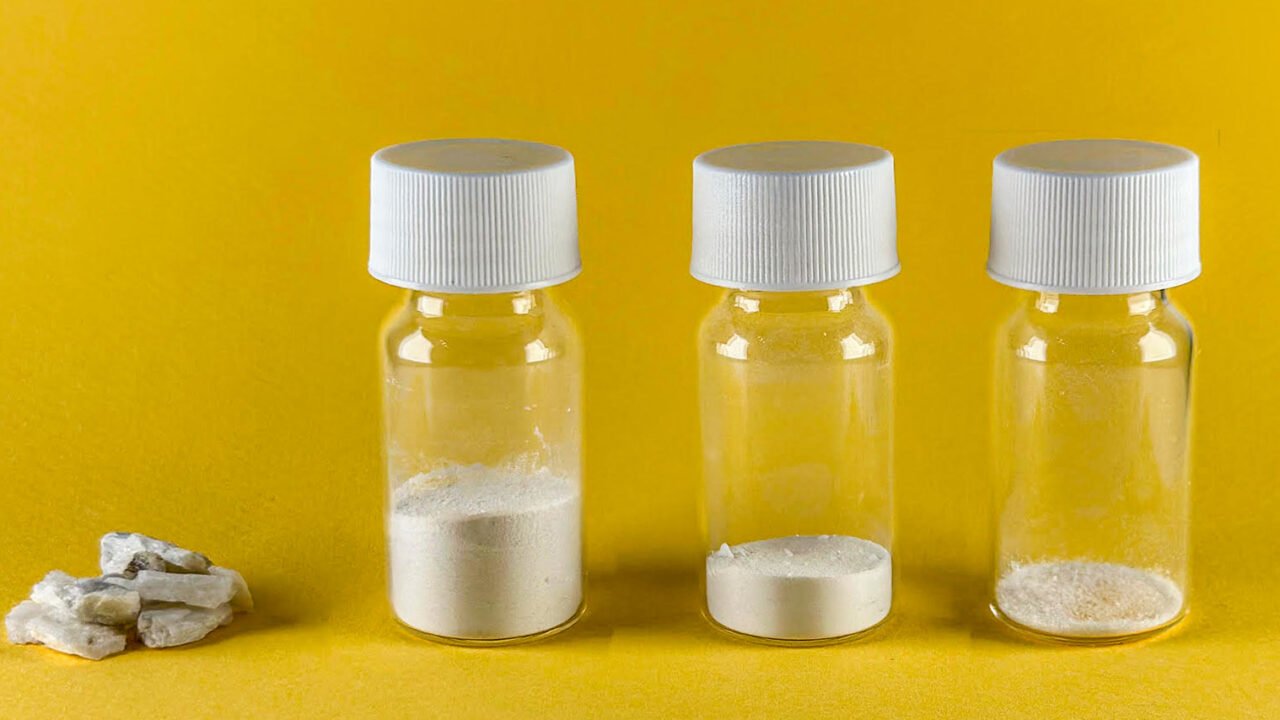
Rock Zero, a new startup, is poised to commercialize a novel lithium extraction process that promises to reshape the global supply chain for electric vehicle batteries and energy storage. This technique, detailed today in the journal Science, offers a potentially more sustainable and cost-effective alternative to current methods. Yet-Ming Chiang, an MIT professor and co-author of the study, asserts that this new approach could become the world’s most economical source of lithium at scale. The implications for industries reliant on lithium-ion technology, from automotive to grid-scale energy, are immediate and significant, offering a path to accelerated electrification and reduced material costs.
Rethinking Lithium Sourcing for a Greener Future
The global demand for lithium is skyrocketing, driven primarily by the rapid expansion of electric vehicles and large-scale renewable energy storage solutions. Current primary extraction methods, largely relying on brine evaporation, are often criticized for their environmental footprint, including extensive land use and high water consumption. This new research directly addresses these concerns, proposing a method that could drastically reduce the ecological impact associated with securing this critical metal.
Scientists have long sought more efficient and environmentally sound ways to obtain lithium. Traditional hard rock mining also presents its own set of environmental challenges, including significant energy use and waste generation. The introduction of a less resource-intensive extraction pathway could mitigate many of these issues, offering a cleaner trajectory for the battery supply chain.
Rock Zero’s Commercial Vision and Cost Advantages
Formed to bring this scientific breakthrough to market, Rock Zero aims to disrupt the established lithium industry by offering a superior economic model. Yet-Ming Chiang, a veteran entrepreneur with ventures like Form Energy and Addis Energy under his belt, is confident in the process’s commercial viability. He states that the technique holds the potential to become the lowest-cost method for lithium sourcing globally once fully scaled.
The current benchmark for economical lithium extraction involves processing brine, a salty water solution found beneath the earth’s surface. This new process challenges that established low-cost leader, suggesting a fundamental shift in the economics of battery material production. Such a cost reduction could translate into more affordable electric vehicles and energy storage systems, accelerating their adoption worldwide.
The Science Behind the Sustainable Extraction
The details of the new extraction method, published in Science, describe an innovative approach that moves beyond the energy-intensive and water-heavy processes of the past. While specific technical details remain under wraps for competitive reasons, the core innovation lies in its ability to selectively extract lithium more efficiently. This selectivity is key to reducing waste and improving the overall resource utilization.
This scientific advancement is particularly compelling because it addresses both environmental and economic pressures simultaneously. By developing a process that is inherently less impactful on the environment, researchers have also engineered a system that requires fewer inputs and generates less waste, leading directly to cost savings. This dual benefit positions the technology for rapid adoption.
Impact on the Global Lithium Market and Supply Security
The introduction of a new, potentially cheaper and greener lithium extraction method carries significant implications for global supply chains. Countries and companies currently reliant on a few dominant lithium-producing regions could see new opportunities emerge. Diversifying sources of lithium is a strategic imperative for many nations aiming to secure their energy transition goals.
A more abundant and affordable supply of lithium could also accelerate innovation in battery technology itself. With lower raw material costs, research and development into new battery chemistries or form factors might become more economically feasible. This ripple effect could lead to even greater advancements in energy storage capabilities.
Accelerating the Energy Transition with Cheaper Batteries
The overarching benefit of this new lithium extraction process lies in its potential to significantly accelerate the global energy transition. Lithium-ion batteries are fundamental to decarbonizing transportation and stabilizing renewable energy grids. Reducing the cost and environmental footprint of their primary raw material directly impacts the speed and scale at which these technologies can be deployed.
As governments and corporations worldwide commit to ambitious climate targets, the availability of critical minerals like lithium becomes a bottleneck. Innovations that make these minerals more accessible and sustainable are not just economic advantages; they are essential tools for achieving a carbon-neutral future. This development from Rock Zero could be a major step in that direction.
What is the primary advantage of Rock Zero’s new lithium extraction method?
Rock Zero’s new method is anticipated to be more environmentally friendly and significantly cheaper than existing lithium extraction techniques. This dual benefit addresses both ecological concerns and the economic viability of battery production.
Who is behind this new lithium extraction technology?
The research was conducted by a team of scientists, including MIT Professor Yet-Ming Chiang, who is also a serial entrepreneur. Their findings were published in the journal Science, and the startup Rock Zero is commercializing the process.
How does this new process compare to current methods?
The most economical current method involves extracting lithium from brine. The new technique is projected to be the lowest-cost way of sourcing lithium globally at scale, offering a substantial improvement in both cost and environmental impact.
Key Takeaways
- Rock Zero is commercializing a new lithium extraction process detailed in Science.
- The new technique is expected to be more environmentally friendly and significantly cheaper than existing methods.
- Yet-Ming Chiang, an MIT professor and serial entrepreneur, co-authored the study and believes it will be the lowest-cost lithium source globally.
- This advancement could accelerate the adoption of electric vehicles and energy storage by reducing battery material costs.