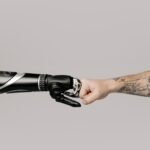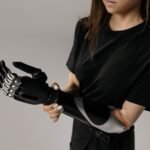
OpenAI’s strategic return to robotics, initiated in January 2025, signals a long-term vision extending beyond large language models to encompass ubiquitous personal robots. The company is actively recruiting across critical engineering disciplines, including hardware design, operations, systems architecture, and machine learning, to build out its renewed robotics division. This ambitious endeavor aims to eventually provide every individual with a versatile personal robot capable of executing diverse tasks. The initiative’s ultimate success could fundamentally redefine human-technology interaction and reshape numerous industries, making this a pivotal development for the future of AI and automation.
Key Developments
- OpenAI has re-established its robotics division, which was initially disbanded in 2020, with a renewed focus on general-purpose robotics.
- The company is aggressively hiring engineers specializing in hardware, operations, systems, and machine learning to support this ambitious project.
- In the immediate future, these robotic systems are slated to assist specialists in constructing essential infrastructure.
- OpenAI’s long-term objective is to enable every person to possess a personal robot capable of performing a wide array of tasks.
- The robotics team evolved from the world simulation research program, which also integrated the Sora team following the video AI app’s closure.
What Happened
OpenAI, a leading force in artificial intelligence research and development, has formally re-entered the robotics sector, a strategic pivot from its previous stance. This initiative, which began rebuilding its team in January 2025, is driven by the overarching goal of developing general-purpose robotic capabilities. The company is currently engaged in a significant hiring drive, seeking talent across a spectrum of engineering disciplines critical for robotics, including hardware development, operational logistics, system integration, and advanced machine learning algorithms.
Sam Altman, OpenAI’s CEO, has articulated a clear, two-phase vision for this robotics venture. Initially, the focus will be on deploying robots to support the construction and maintenance of specialized infrastructure, a practical application that provides immediate utility and valuable real-world data. This foundational work is intended to pave the way for the more ambitious long-term objective: the widespread availability of personal robots for every individual, designed to perform an extensive range of tasks as needed.
The genesis of this renewed robotics effort traces back to OpenAI’s internal world simulation research program. This program, led by Aditya Ramesh, has become a central hub for advanced AI development, even absorbing the team responsible for the Sora AI video application after its discontinuation. This integration suggests a synergistic approach, leveraging insights and technologies developed for virtual environments to inform and accelerate physical robot development, particularly in areas like understanding and interacting with complex real-world dynamics.
Why It Matters
OpenAI’s re-entry into robotics is not merely a diversification of its research portfolio; it represents a profound strategic commitment that could redefine the trajectory of artificial intelligence and its real-world applications. By targeting “general-purpose” robots, OpenAI is aiming for systems that can adapt and perform across a multitude of tasks, moving beyond the specialized, single-function robots prevalent today. This shift carries immense implications for business efficiency, labor markets, and daily life.
For businesses, particularly those in logistics, manufacturing, and service industries, the prospect of highly adaptable robots promises unprecedented levels of automation and productivity. Such robots could fill critical labor gaps, reduce operational costs, and enable new service models. For individual users, the vision of a “personal robot doing anything they need” suggests a future where routine chores, complex errands, and even personalized assistance become readily available, fundamentally altering domestic life and personal productivity.
The competitive dynamics within the AI and robotics sectors are also set to intensify significantly. OpenAI’s move positions it directly against established robotics firms and other AI giants exploring similar frontiers. Regulatory bodies will undoubtedly face new challenges in addressing safety, ethical implications, and job displacement concerns arising from such advanced, autonomous systems. This development signals a coming era where AI’s physical manifestation becomes as impactful as its digital presence.
Industry Impact
OpenAI’s renewed focus on general-purpose robotics has far-reaching implications across the entire AI and technology ecosystem. The initial strategy of deploying robots for infrastructure development directly impacts sectors like construction, utilities, and logistics, where automation can address labor shortages and enhance safety in hazardous environments. Imagine robots autonomously inspecting power grids or assisting in the assembly of large-scale data centers, significantly accelerating project timelines and reducing human risk.
The long-term vision of personal robots, however, carries a much broader industry impact. This vision could disrupt numerous service industries, from elder care and domestic assistance to retail and hospitality. Companies developing smart home technologies, for instance, may find themselves integrating with sophisticated robotic platforms rather than just static devices. Furthermore, the demand for components, advanced sensors, specialized software, and robust AI training data will surge, creating new market opportunities and challenges for suppliers and developers alike.
The integration of the Sora team, initially focused on AI video generation, into the robotics division also suggests a profound impact on simulation and digital twin technologies. Realistic simulations are crucial for training general-purpose robots safely and efficiently, minimizing the need for extensive physical trials. This synergy means advancements in AI-driven virtual environments could directly translate into faster, more capable physical robots, creating a feedback loop that accelerates progress across both digital and physical AI domains.
Expert Analysis
OpenAI’s strategic re-entry into robotics, particularly with its stated ambition for “everyone having a personal robot doing anything they need,” marks a significant evolution in the company’s long-term vision for artificial general intelligence (AGI). The initial closure of its robotics division in 2020, based on the premise that AGI could be achieved faster without physical robots due to data scarcity, now appears to have been a tactical pause rather than a permanent retreat. This return suggests a maturation in OpenAI’s understanding of embodied AI and the critical role physical interaction plays in developing true general intelligence.
The decision to grow the robotics team out of the world simulation research program, and to integrate the Sora team, is particularly telling. It highlights a recognition that robust, general-purpose AI requires not just language understanding but also a deep grasp of physics, spatial reasoning, and interaction within dynamic environments. Simulation provides a scalable, safe, and data-rich training ground for these complex behaviors. The ability to generate realistic video (as Sora aimed to do) and simulate worlds could be foundational for training robots to perceive, predict, and act effectively in the physical world, addressing the very data scarcity issue that led to the division’s earlier closure.
Competitive Landscape
OpenAI’s renewed commitment to robotics significantly intensifies the competitive landscape, positioning it alongside established players and other tech giants vying for dominance in the future of automation. Companies like Boston Dynamics, known for its agile humanoid and quadruped robots, and Agility Robotics, with its bipedal Digit, have already demonstrated impressive physical capabilities. Traditional industrial robotics firms such as ABB, KUKA, and Fanuc also hold substantial market share in specialized automation.
However, OpenAI’s distinct advantage lies in its deep expertise in large language models and general AI, which could provide a crucial differentiator in developing truly general-purpose robots. While other companies excel at hardware or specific tasks, OpenAI aims for cognitive flexibility and adaptability. This places them in direct competition with Google’s DeepMind, which has also been exploring embodied AI, and Amazon, with its extensive robotics operations in warehouses and ventures like the Astro home robot. The race is now not just about building a robot, but about building an intelligent agent capable of understanding and executing complex, open-ended commands in a dynamic physical world.
Future Implications
Near-term (3-6 months): OpenAI will likely announce further details regarding its initial infrastructure robot deployments, potentially showcasing early prototypes or pilot programs. Expect aggressive recruitment campaigns for specialized robotics engineers to continue, signaling a rapid expansion of the team and its capabilities. The focus will be on proving the viability of their approach in controlled, high-value environments.
Medium-term (1-2 years): We anticipate the emergence of more sophisticated general-purpose robotic platforms capable of performing a broader range of tasks within defined environments, potentially moving beyond pure infrastructure support to more complex industrial or commercial applications. OpenAI may also release research papers or open-source components related to their simulation and embodied AI advancements, fostering broader industry collaboration and competition. The integration of advanced multimodal AI capabilities, leveraging insights from their large language models, will be crucial.
Long-term (3-5 years): The vision of “everyone having a personal robot” will begin to take more concrete shape, with potential consumer-facing prototypes or limited commercial releases of highly adaptable robots. Regulatory discussions around robot ethics, safety, and societal impact will intensify as these systems become more autonomous and ubiquitous. The development of robust, scalable training methodologies that combine real-world data with sophisticated simulations will be key to achieving this ambitious goal, potentially leading to a new era of human-robot co-existence.
Actionable Insights
- Monitor OpenAI’s Robotics Progress: Keep a close watch on OpenAI’s hiring announcements, research publications, and any prototype demonstrations to understand the technological trajectory and potential market disruptions.
- Assess Automation Potential: Evaluate current business processes for areas where general-purpose robotics could offer significant efficiency gains, particularly in infrastructure, logistics, or repetitive manual tasks.
- Invest in AI & Robotics Talent: Companies should begin upskilling existing teams or recruiting specialists in AI, machine learning, and robotics to prepare for a future workforce that integrates advanced autonomous systems.
- Explore Simulation Technologies: Investigate or experiment with advanced simulation platforms and digital twin technologies, as these will be critical for developing and testing future robotic applications.
- Engage in Ethical AI Discussions: Participate in industry forums and policy discussions surrounding the ethical deployment, safety, and societal impact of advanced robotics to help shape responsible development.
- Form Strategic Partnerships: Consider partnerships with AI research labs or robotics startups to gain early access to emerging technologies and integrate them into your innovation roadmap.
Why did OpenAI restart its robotics division after closing it in 2020?
OpenAI initially closed its robotics division in 2020, believing that general AI could be achieved faster without physical robots due to a scarcity of training data. The company has now re-established the team, likely recognizing the critical role of embodied intelligence and physical interaction in achieving true general-purpose AI, with advancements in simulation addressing previous data limitations.
What is OpenAI’s immediate goal for its robotics division?
In the near term, OpenAI’s robotics division aims to develop and deploy robots that can assist specialists in building essential infrastructure. This practical application provides valuable real-world experience and data while contributing to critical development projects.
What is OpenAI’s long-term vision for personal robots?
OpenAI’s ambitious long-term vision is for “everyone having a personal robot doing anything they need.” This implies highly versatile, general-purpose robots capable of performing a wide array of tasks to assist individuals in their daily lives.
How does the world simulation research program relate to OpenAI’s robotics efforts?
The robotics team grew directly out of OpenAI’s world simulation research program, led by Aditya Ramesh. This connection suggests that advancements in creating realistic virtual environments and understanding complex dynamics are foundational for training and developing capable physical robots.
What types of engineers is OpenAI hiring for its robotics team?
OpenAI is actively recruiting engineers across several critical disciplines for its robotics division, including specialists in hardware development, operations management, systems architecture, and advanced machine learning algorithms. This comprehensive hiring strategy reflects the multidisciplinary nature of robotics development.
Key Takeaways
- OpenAI has strategically re-entered the robotics sector, rebuilding its team since January 2025.
- The company’s short-term focus involves deploying robots for infrastructure development and support.
- OpenAI’s long-term aspiration is to provide every individual with a versatile personal robot.
- The robotics initiative evolved from the world simulation research program, integrating the Sora team.
- This move signifies a significant shift in OpenAI’s approach to achieving general artificial intelligence through embodied systems.