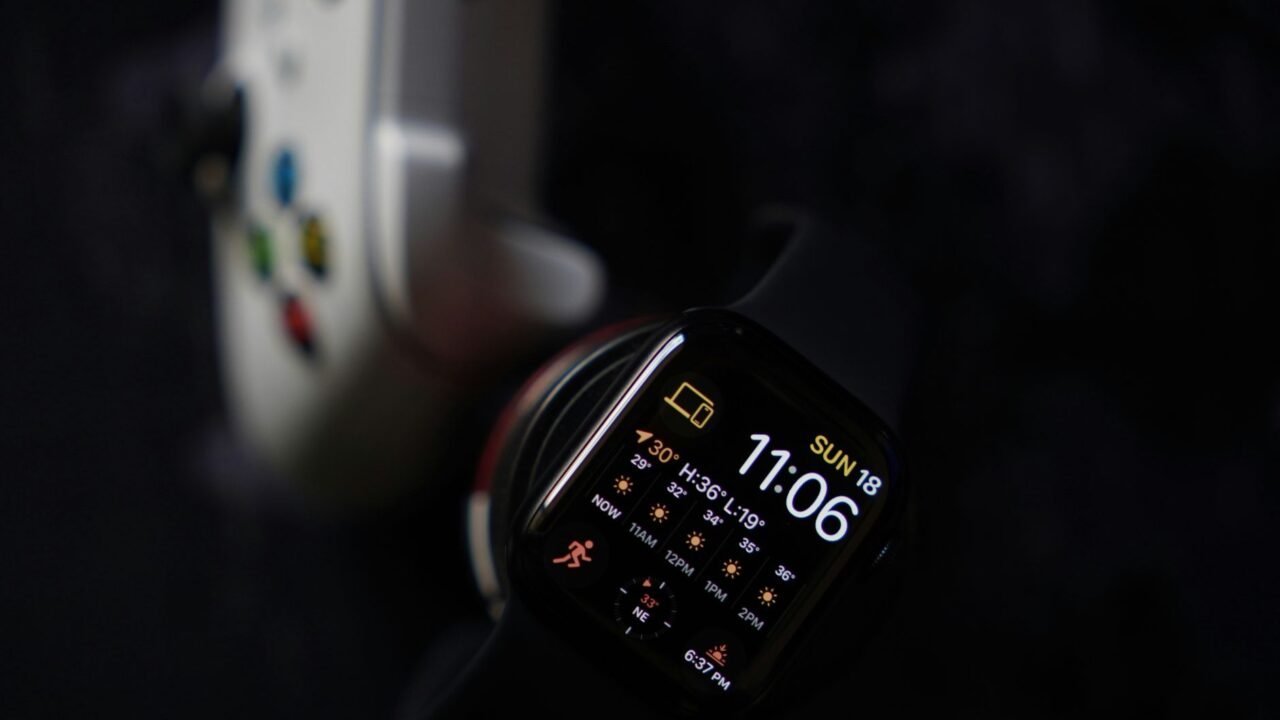
Amazon recently updated Bee, the AI wrist gadget it acquired last year, with an array of new features designed to enhance its personal assistant capabilities. This wearable records, transcribes, and summarizes user conversations throughout the day, providing an ongoing note-taking function that aims to boost organization and memory recall. When synchronized with a user’s calendar, Bee also delivers alerts and reminders for scheduled activities. This evolution in wearable AI signifies a critical step toward integrating intelligent assistants directly into our daily routines, prompting crucial discussions about convenience versus personal data privacy.
First Impressions: A Glimpse into the AI-Powered Future of Personal Organization
My initial experience with Amazon’s Bee wearable was a mix of genuine intrigue and a subtle undercurrent of unease. The device itself is discreet, fitting comfortably on the wrist, and its operation is straightforward: power it on, wear it, and it begins its work. The promise of an AI companion that effortlessly captures every detail of your day, from meeting notes to casual conversations, is undeniably compelling for anyone who juggles multiple tasks or struggles with information overload.
The core functionality revolves around its ability to act as a constant, passive recorder. Every spoken word within earshot is processed, converted into text, and then summarized. This continuous capture offers a powerful tool for recall, potentially eliminating the need for frantic note-taking during critical discussions or the frustration of forgetting key details from a conversation. It’s an always-on digital scribe, working silently in the background.
Beyond Transcription: Intelligent Summarization and Calendar Integration
The true power of Bee extends far beyond mere transcription. Its AI engine processes the raw audio, identifying key topics, action items, and participants, then distills this information into concise summaries. This means that instead of sifting through hours of transcribed text, users receive digestible bullet points highlighting the most important aspects of their day.
Furthermore, the integration with personal calendars adds another layer of utility. Bee doesn’t just record; it proactively assists. By understanding your schedule, it can deliver timely alerts and reminders, ensuring you stay on track with appointments, deadlines, and personal commitments. This feature transforms the wearable from a passive recording device into an active, anticipatory assistant, a significant step in the evolution of AI wearables.
The Privacy Paradox: Convenience Versus Constant Surveillance
While the utility of Bee is clear, the implications for personal privacy are equally apparent and, for some, unsettling. A device that constantly records and processes your conversations, even if those recordings are intended only for your personal use, raises legitimate questions about data security and the erosion of private spaces. The concept of an “always-listening” device, even on one’s own wrist, can feel like a step too far for many.
The data collected by Bee is incredibly rich, encompassing not just what you say, but potentially how you say it, who you interact with, and the contexts of those interactions. While Amazon assures users of data security and privacy controls, the mere existence of such a comprehensive personal data stream necessitates careful consideration. Users must weigh the undeniable convenience against the potential for discomfort or misuse, however remote.
Bee’s Place in the Expanding AI Wearable Ecosystem
Bee is not alone in the burgeoning market of AI wearables, but Amazon’s backing gives it a significant advantage. Other devices offer similar recording and summarization features, but Bee’s refined integration and the potential for deeper ties into the Amazon ecosystem (think Alexa, shopping lists, smart home control) position it as a formidable contender. The competition among these devices is driving rapid innovation, pushing the boundaries of what a personal AI assistant can achieve.
The market for these devices is projected to grow substantially, with analysts predicting millions of units sold annually within the next few years. This growth indicates a clear consumer appetite for intelligent assistance that moves beyond smartphones and into more integrated, hands-free form factors. Bee’s entry marks a significant milestone in this expansion, offering a glimpse into a future where AI is truly embedded in our daily lives.
The Future of Personal AI: From Assistant to Extension of Self?
The advancements seen in Bee suggest a trajectory where AI wearables become less about tools and more about extensions of our cognitive abilities. Imagine a device that not only remembers your conversations but also anticipates your needs, suggests relevant information based on your current context, or even helps you formulate responses in real-time. This level of integration, while exciting, also brings us closer to a future where the line between human and machine assistance blurs.
The ethical frameworks surrounding such pervasive AI will need to evolve rapidly to keep pace with technological capabilities. As devices like Bee become more sophisticated, discussions around consent, data ownership, and the psychological impact of constant digital companionship will become increasingly vital. The journey of AI wearables is just beginning, and Bee offers a compelling, if complex, vision of what’s to come.
What is Amazon’s Bee wearable?
Bee is an AI-powered wrist gadget acquired and updated by Amazon. It functions as a personal assistant, recording, transcribing, and summarizing user conversations throughout the day, and can also provide calendar-synced alerts.
How does Bee help with organization?
By continuously recording and summarizing conversations, Bee creates an ongoing log of important details, which is useful for recall and organization. Its calendar integration also provides timely reminders for scheduled activities.
What are the privacy concerns with Bee?
Since Bee constantly records conversations, concerns exist regarding data security and the extent of personal information being captured. Users must weigh the convenience against potential privacy implications of an always-listening device.
Key Takeaways
- Amazon’s Bee wearable acts as an AI personal assistant, recording, transcribing, and summarizing daily conversations.
- The device integrates with calendars to provide timely alerts and reminders, enhancing personal organization.
- While offering significant convenience, Bee raises important questions about personal privacy due to its continuous audio capture.
- Bee represents a significant entry in the growing market of AI wearables, pushing the boundaries of integrated intelligent assistance.